
Domingo, 7 de junho de 2026 | Porto Velho (RO)
Domingo, 7 de junho de 2026 | Porto Velho (RO)

Terça-feira, 13 de janeiro de 2026 - 16h20
ENGLISH VERSION INCLUDED
Deus
jamais existiu fora do espaço limitado de mentes moldadas pela
fragilidade humana — obscurecidas
desde a infância por uma doutrinação disfarçada de obediência, virtude e bondade. Uma lavagem cerebral apresentada como promessa
delirante de salvação, imposta a crianças indefesas na fase em
que narrativas arcaicas foram cristalizadas como verdades absolutas, ocupando o
espaço que deveria pertencer à razão, e não à ficção.
Trata-se
de um conceito herdado, não examinado. Uma hipoteca intelectual assumida por
milhões que jamais tiveram a oportunidade —
ou a permissão — de confrontar a crença com o pensamento crítico. Não por incapacidade, mas por condicionamento cultural,
geográfico e histórico.
A fé, nesse contexto, não é escolha livre: é herança
imposta.
Questionar
essas conjecturas a partir de uma análise factual, honesta e
transparente não constitui agressão
à fé de ninguém. Trata-se apenas do exercício inalienável
do pensamento autônomo — o direito de revisar crenças à
medida que se alcança a maturidade
racional, libertando-se da formatação imposta pelo acaso do local de nascimento
e da cultura dominante.
Se
Deus existisse, os justos não morreriam antes do esgotamento natural da vida. Não
haveria tamanha desigualdade estrutural, sofrimento massivo e violência
banalizada diante de seus supostos olhos onipresentes. A realidade cotidiana
desmente, de forma implacável, essa fantasia reconfortante.
Em
seu nome, a espiritualidade foi convertida numa das mais eficientes ferramentas
de exploração, dominação política e controle social já criadas. Enquanto multidões acreditam
seguir palavras consideradas sagradas, instituições acumulam riquezas trilionárias
na Terra, contradizendo frontalmente aquilo que afirmam pregar. Os famintos
continuam invisíveis. As vítimas de violência seguem sem resposta. A entidade proclamada como onipotente revela-se,
na prática, cega, surda e muda diante do clamor humano.
Saúde
e educação
— direitos básicos
— tornam-se mercadorias. E,
não por acaso, organizações religiosas
figuram entre as que mais caro cobram por serviços que deveriam ser
universais e gratuitos.
O
ataque mais grave à
moralidade, porém, reside na ilusão final: prometer recompensas em uma vida pós-morte — rios
de leite e mel, paraísos imaginários, castigos eternos com fogo e enxofre —
narrativas tão fictícias quanto o próprio ente que as sustenta. Um acúmulo
de absurdos mantido porque gera dividendos políticos, eleitorais e
financeiros. Estados fazem vista grossa. Milícias religiosas surgem no
vácuo moral e institucional. O cidadão comum paga impostos ao Estado, dízimos
ao céu e, em muitas regiões, tributos à violência
organizada. Pobres cidadãos.
A
ironia atinge o ápice quando se atribui a esse ser o atributo da onisciência.
Um ser onisciente conheceria antecipadamente todas as consequências
de sua criação: guerras, genocídios,
abusos, miséria, doenças evitáveis, crueldade sistemática. Criar apesar disso não é mistério divino — é decisão consciente. Logo, sua responsabilidade moral seria absoluta. Não
parcial. Não simbólica. Plena.
Nesse
cenário, o sofrimento não seria um acidente da liberdade humana, mas um efeito
estrutural de uma criação deliberada. Um ente que cria conhecendo previamente cada desgraça
futura não pode ser chamado de justo. No máximo, seria perverso. No mínimo,
uma incoerência lógica elevada à categoria de divindade
para aliviar consciências humanas incapazes de lidar com o acaso, o absurdo e a
responsabilidade.
Mesmo
o diabo — essa outra figura
igualmente inexistente — seria,
nessa lógica, apenas mais uma
criatura desse ente supostamente perfeito. A teologia transforma-se, então, num
exercício circular de delírio, tentando justificar paradoxos que
jamais se sustentam sob escrutínio racional.
Diante
disso, a conclusão
é simples e incontornável:
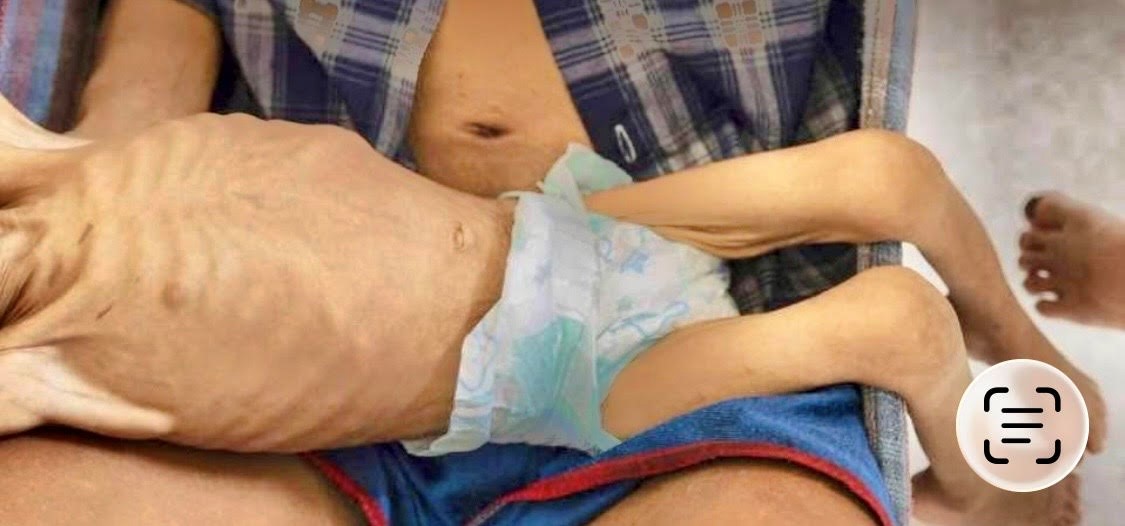
sinto infinitamente mais empatia por um animal de rua
doente e abandonado — vítima real, concreta
e inocente — do que por essa construção
metafísica chamada Deus, sustentada à custa da razão, da ética e da honestidade intelectual.
Falem
de fé, falem de crenças.
Mas, por favor, argumentem com razoabilidade. Não como papagaios que apenas
repetem o que decoraram, sem qualquer base lógica sustentável — apenas fé no absurdo.
Não é agressão.
É constatação
lógica.
Não é silenciar.
É usar a voz com empatia verdadeira para incentivar reflexão
honesta.
Não é delírio.
São fatos que massacram a humanidade diariamente.
Não é discurso de ódio.
É compaixão — é dever de consciência
alertar.
Alertar aqueles que nunca tiveram acesso à informação crítica,
mantidos pelo medo, por ameaças apocalípticas
e pela exploração sistemática da inocência humana.
Esquivar-se do fanatismo é um ato de higiene intelectual e de maturidade moral.
Fanatismo
começa quando a crença se torna imune à
razão, à evidência
e à empatia
— quando deixa de ser convicção
pessoal e passa a exigir submissão alheia. Esse
texto faz o movimento oposto: retira o dogma do pedestal e
devolve o debate ao terreno da lógica, da responsabilidade e da consciência.
Não é negar o direito de crer.
É recusar o direito de impor, explorar e silenciar.
Isso
não é radicalismo — é autodefesa da
razão.
Não é arrogância — é recusa em terceirizar o pensamento.
Não é frieza — é empatia lúcida, que prefere aliviar o sofrimento real a reverenciar abstrações
convenientes.
Fanatismo
prospera no medo.
Lucidez prospera na coragem de pensar.
ENGLISH
It Is Not Revolt. It Is Indignation and Lucidity
To
attribute omniscience to a creator is also to attribute to it moral authorship
over every consequence — including this one.
God
has never existed outside the limited space of minds shaped by human fragility —
obscured from childhood by indoctrination disguised as obedience, virtue, and
goodness. A form of brainwashing presented as a delirious promise of salvation,
imposed on defenseless children at the stage when archaic narratives were
crystallized as absolute truths, occupying the space that should belong to
reason, not fiction.
This
is an inherited, unexamined concept — an intellectual mortgage assumed by
millions who were never given the opportunity — or the permission — to confront
belief with critical thought. Not due to incapacity, but because of cultural,
geographical, and historical conditioning. Faith, in this context, is not a
free choice; it is an imposed inheritance.
To
question these conjectures through factual, honest, and transparent analysis
does not constitute an attack on anyone’s faith. It is simply the inalienable exercise of autonomous thought — the
right to revise beliefs as one reaches rational maturity, freeing oneself from
the conditioning imposed by the accident of birthplace and dominant culture.
If
God existed, the righteous would not die before the natural exhaustion of life.
There would not be such structural inequality, massive suffering, and normalized
violence before its supposedly omnipresent eyes. Everyday reality mercilessly
contradicts this comforting fantasy.
In
its name, spirituality has been converted into one of the most efficient tools
of exploitation, political domination, and social control ever created. While
multitudes believe they are following words deemed sacred, institutions
accumulate trillions in wealth on Earth, blatantly contradicting what they
claim to preach. The hungry remain invisible. Victims of violence receive no
answers. The entity proclaimed as omnipotent reveals itself, in practice, to be
blind, deaf, and mute before human suffering.
Health
and education — basic rights — become commodities. And not by coincidence,
religious organizations rank among those that charge the highest prices for
services that should be universal and free.
The
most serious attack on morality, however, lies in the final illusion: the
promise of rewards in an afterlife — rivers of milk and honey, imaginary
paradises, eternal punishments of fire and brimstone — narratives as fictitious
as the very entity that sustains them. An accumulation of absurdities
maintained because it generates political, electoral, and financial dividends.
States look the other way. Religious militias emerge in the moral and
institutional vacuum. The ordinary citizen pays taxes to the State, tithes to
heaven, and, in many regions, tributes to organized violence. Poor citizens.
The
irony reaches its peak when this being is attributed omniscience. An omniscient
being would know in advance all the consequences of its creation: wars,
genocides, abuse, misery, preventable diseases, systematic cruelty. Creating
despite this is not divine mystery — it is conscious decision. Therefore, its
moral responsibility would be absolute. Not partial. Not symbolic. Complete.
In
this scenario, suffering would not be an accident of human freedom, but a
structural effect of a deliberate creation. A being that creates while
foreseeing every future tragedy cannot be called just. At most, it would be perverse.
At minimum, a logical incoherence elevated to the status of divinity to ease
the consciences of humans incapable of dealing with chance, absurdity, and
responsibility.
Even
the devil — this other equally nonexistent figure — would, under this logic, be
merely another creature of this supposedly perfect being. Theology thus becomes
a circular exercise in delusion, attempting to justify paradoxes that never
withstand rational scrutiny.
Faced
with this, the conclusion is simple and unavoidable: I feel infinitely more
empathy for a sick, abandoned stray animal — a real, concrete, innocent victim —
than for this metaphysical construction called God, sustained at the expense of
reason, ethics, and intellectual honesty.
Speak
of faith. Speak of beliefs. But please, argue with reasonableness — not like
parrots merely repeating what they memorized, without any logically sustainable
foundation — only faith in the absurd.
This
is not aggression.
It is logical recognition.
It
is not silencing.
It is using one’s voice with genuine empathy to encourage honest reflection.
It
is not delusion.
These are facts that crush humanity daily.
It
is not hate speech.
It is compassion — it is a duty of conscience to warn.
To warn those who never had access to critical
information, kept in check by fear, apocalyptic threats, and the systematic
exploitation of human innocence.
To
evade fanaticism is an act of intellectual hygiene and moral maturity.
Fanaticism
begins when belief becomes immune to reason, evidence, and empathy — when it
ceases to be a personal conviction and begins to demand the submission of
others. This text does the opposite: it removes dogma from the pedestal and
returns the debate to the ground of logic, responsibility, and conscience.
It
is not denying the right to believe.
It is refusing the right to impose, exploit, and
silence.
This
is not radicalism — it is self-defense of reason.
It is not arrogance — it is a refusal to outsource
thinking.
It is not coldness — it is lucid empathy, which
prefers to relieve real suffering rather than worship convenient abstractions.
Fanaticism
thrives on fear.
Lucidity thrives on the courage to think.
 Domingo, 7 de junho de 2026 | Porto Velho (RO)
Do ‘Cango-tráfico’ ao ‘Cango-terrorismo’: a nova face da política externa de Lula
Há momentos em que a política produz cenas tão curiosas que a realidade parece pedir ajuda ao humor para ser compreendida. A recente notícia envolve

A Frágil Narrativa de Leão XIV: A Inteligência Artificial e o Fim do Lucrativo Monopólio do Mistério
| Português | English | Español Quando a razão tecnológica confronta dogmas milenares, o verdadeiro medo não está na máquina que aprende, mas nas i

A Melancolia da Razão em uma Civilização em Declínio
🇧🇷 Versão Original em Português🇺🇸 English Version Below 🇪🇸 Versión en Español AbajoTalvez o aspecto mais inquietante da experiência humana se

Delírio, imaginação fértil e bloqueio mental: a tentativa doentia de sustentar o irrazoável
🇧🇷 Versão Original em Português 🇺🇸 Versão em inglês abaixo 🇪🇸 Versão em espanhol do Abajo Impactado pela imagem artificial de uma criatura “
Domingo, 7 de junho de 2026 | Porto Velho (RO)